Are you looking for reliable paving companies for your property? Here is a guide to help you! Continue reading this blog to learn more and get started today.
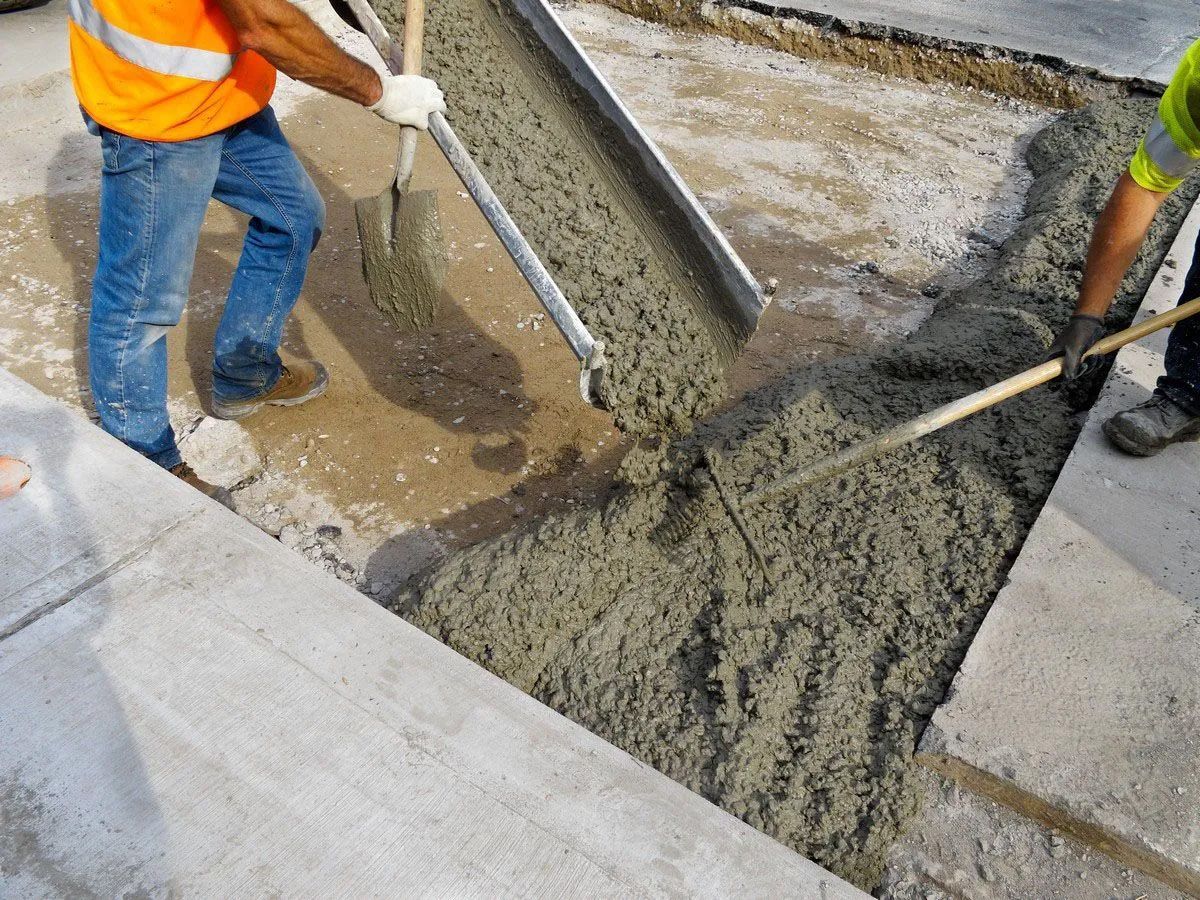
Adding pavement to a property has many benefits. Business owners looking for ways to improve their property should consider concrete contractors and the services they provide. When you make improvements, you want to invest your money in projects that improve both the value and the functionality of your land. Concrete pavement can accomplish both of these objectives. Let's look at a few ways that concrete contractors can improve your property. 1. Paved Roadways The driveways and parking lots on your property go through a lot of traffic. The weight of vehicles on the dirt or gravel of a driveway will eventually start wearing away at the surface. This, in turn, will start to cause serious erosion problems on your property. In addition to erosion issues, an unpaved driveway will also cause extra wear and tear on the vehicles that drive on it. Bumping over rough dirt or gravel puts a lot of stress on the suspension system of cars. Mud and gravel can also kick up into the undercarriage and cause damage there as well. The dirt, dust, and mud also make for a dirty vehicle every day. Wanting customers and general visitors or tenants to feel comfortable entering your property is crucial for a successful business, so don't let your parking areas deter them! 2. Outdoor Gathering Areas Concrete contractors can also help you create beautiful outdoor areas. Outdoor areas are made much nicer with a patio area for guests to sit at. Add pathways on your property or even low water crossing and curbs to properly utilize the area you're given. A functional exterior to your business or property gives off a lasting and positive first impression. 3. Property Value Another way that pavement can improve your property is by increasing your its value. When you have concrete work done on your property, you really need to think of it as an investment. The money you are investing in concrete work will be reflected in the added value it brings to your asset. If you have plans to sell the business or property in the near future, this can be an important factor to consider. 4. Sustainable Options You should also be aware that using concrete is often a more sustainable option than some other building materials. We also offer asphalt paving, which has its ecological benefits as well. According to the Federal Highway Administration, 80% of old asphalt pavement is removed each year and then reused in other applications. Whichever you choose, you'll be doing nature a favor! These are just a few ways that pavement can help your property. If you're looking for concrete contractors in your area, please contact Texas Road & Paving Company today. We are here for your paving needs.
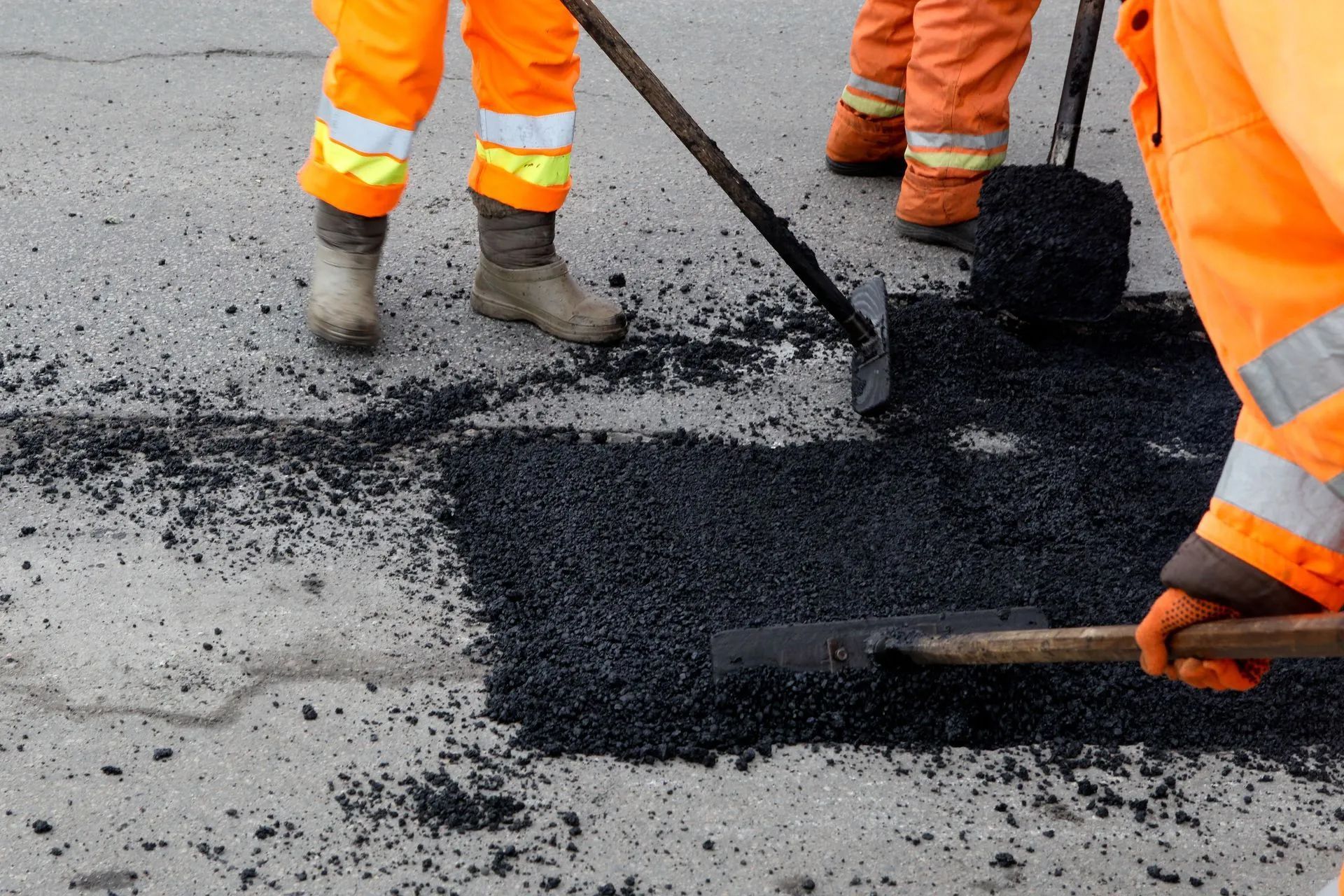
Asphalt is a popular material used on roofing and pavement. It's a very durable and recyclable material that's useful for homeowners and businesses. When your asphalt surfaces, such as your pavement, begin to show the following signs, you know you should call for a replacement. Here are four signs it's time for new asphalt paving. 1. Discoloration Has your once beautiful and smooth asphalt began to show signs of discoloration? That discoloration or fading may result from UV ray damage. If asphalt begins to fade, it's a sign that it's losing its durability and may eventually become more of a hazard than a help. 2. Cracks Are there unsightly cracks on your asphalt pavement? If so, you shouldn't take them lightly. After all, those cracks can begin to grow if they're not tended to. In addition to cracks, you may also see potholes. These two flaws in your pavement surface can result in a safety hazard where people can easily trip or fall. The last thing you want as a business owner is liabilities, as that can affect your business reputation. Be proactive and replace your asphalt paving at your home or business before someone gets hurt or ends up suing you. 3. Auto Damage Have you had the misfortune of getting into an auto accident or having a flat or punctured tire when driving on your paved surface? Is anyone driving on your driveway or business parking lot experiencing a similar situation? If so, you should get a replacement ASAP. Remember, cars are very expensive, and if you're at fault for damage to someone else's vehicle or tires, you're likely to be on the hook for relative repairs. 4. Old Age According to the National Asphalt Pavement Association, the U.S. has over 2.6 million miles of paved road, and nearly 95% is paved with asphalt. However, many of these roads may be aging out. We've seen that your typical asphalt pavement can last for 10 to 25 years, depending on numerous factors such as foot and car traffic, previous installation, exposure to elements, and so on. As you can see, your asphalt paving is more important than you may have thought. Installing a new layer of asphalt pavement can be highly beneficial to your home or business. You can prevent the likelihood of liabilities and increase your overall safety. Contact Texas Road & Paving Company today for new asphalt pavement work.

