Selecting the proper surfacing material for driveways, walkways, or parking areas represents a critical structural choice for any residential or commercial real estate parcel. Property owners frequently find themselves weighing the individual strengths and performance qualities of asphalt and concrete. Both options present distinct physical compositions, aesthetic styles, and functional behaviors that react differently to everyday vehicular loads and continuous outdoor environmental exposure. Choosing between these prominent paving solutions requires an understanding of how each material behaves over prolonged periods of heavy utilization. Deciding on the appropriate pathway forward involves evaluating environmental exposure, structural subgrade stability, ongoing upkeep obligations, and overall functional expectations. Navigating these technical details becomes significantly simpler when collaborating with a knowledgeable paving contractor who understands surface grading, compaction, and regional soil dynamics. By examining the foundational characteristics, performance differences, and structural advantages of asphalt and concrete, property owners can confidently choose the surface that matches their site requirements.
Examining Durability and Longevity
The enduring strength of a paved surface depends heavily on how the selected material manages physical pressure and shifting foundational soils. Concrete is renowned for exceptional rigidity, forming a hard, unyielding slab that disperses substantial weight across a broad base. This structural stiffness makes concrete particularly effective for properties accommodating heavy delivery vehicles, commercial trailers, and sustained stationary loads. Because it resists surface indentation and rutting, concrete preserves a clean, intact plane across extended spans of time when installed over properly prepared aggregate bases. Conversely, asphalt offers a dynamic and flexible structural matrix bound together by petroleum-based bitumen. Rather than resisting movement with rigid opposition, asphalt yields slightly under continuous traffic stress and ground settlement, which helps prevent sudden fracturing under shifting subsurface conditions. A reliable paving contractor evaluates underlying soil conditions, expected traffic patterns, and site load expectations before recommending a specific material. Without adequate base preparation and uniform grading, even the strongest concrete can develop widespread cracks, while asphalt requires precise compaction to prevent premature fatigue and depression under repeated traffic cycles.
Assessing Weather and Climate
Regional atmospheric shifts exert considerable physical stress on exterior hardscapes, dictating how different materials perform across changing seasons. In geographic zones prone to severe winter temperatures, asphalt offers notable resilience due to its natural flexibility. Dark asphalt surfaces also absorb solar heat rapidly, accelerating snow melting and ice clearance during freezing winter intervals. This thermal absorption minimizes the need for harsh chemical deicers, which is beneficial because chemical salts can severely erode concrete surfaces by destabilizing the binding paste. In contrast, concrete often excels in blisteringly warm conditions where persistent direct sunlight can cause darker materials to soften. Under extreme summer heat, asphalt can occasionally become pliable, leaving it vulnerable to surface scuffing and tire impressions from stationary turning vehicles. Concrete retains full structural rigidity regardless of ambient temperature, preventing heat-related surface deformation. Consulting a local paving contractor helps property owners gauge how regional weather cycles, freeze-thaw frequencies, and seasonal humidity shifts interact with each paving medium. Ensuring adequate base compaction protects both surfaces from seasonal moisture expansion underneath.
Evaluating Drainage and Moisture
Proper management of surface liquid and stormwater runoff is essential to maintaining the structural integrity of any paved expanse. When water collects across paved zones without adequate slope or drainage outlets, it gradually seeps beneath the surface, weakening the aggregate base and causing catastrophic subgrade collapse. Concrete installations rely heavily on deliberate surface grading, expansion joints, and integrated channel drains to direct rain away from nearby foundations. Asphalt surfaces also require precise sloping to prevent standing puddles from degrading the bituminous binders. Modern property developments also increasingly utilize specialized porous options to handle high storm volumes sustainably. According to Gitnux, incorporating permeable pavers decreases excess surface runoff by 90%. While traditional poured slabs and hot-mix layers form impervious barriers, integrating specialized permeable paving techniques or drainage slopes prevents moisture from compromising the subbase. A qualified paving contractor designs customized surface elevation plans and drainage solutions to safeguard the pavement against subsurface saturation and water damage.
Comparing Maintenance and Repairs
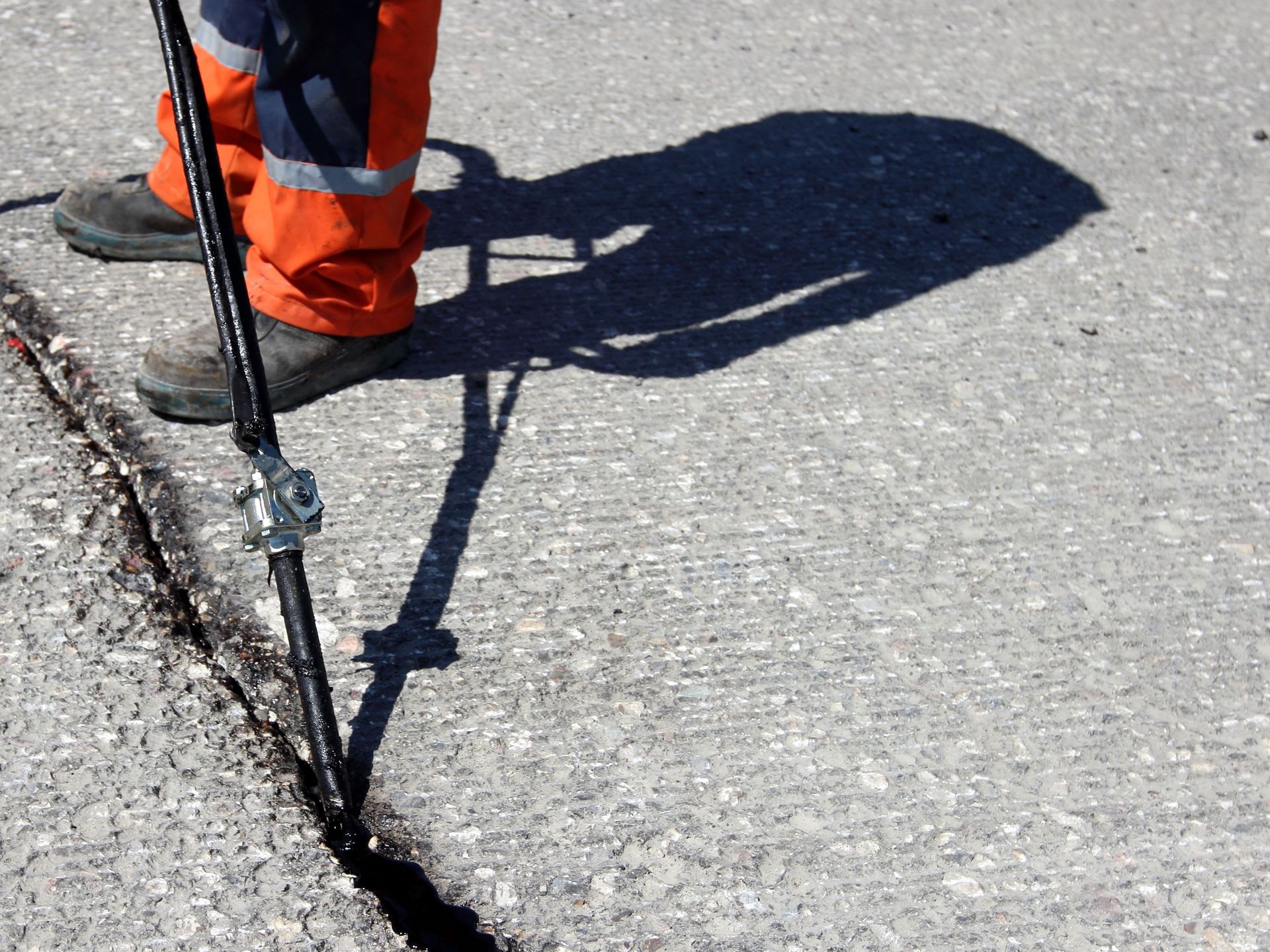
Preserving the appearance and structural soundness of a paved area over its functional lifespan demands consistent care tailored to the specific material. Asphalt surfaces require regular preventive applications, including the application of protective sealers designed to shield the underlying bitumen from oxidation, moisture penetration, and motor oil breakdown. Periodic crack filling prevents tiny surface splits from developing into troublesome potholes that threaten vehicle alignment. While asphalt demands periodic attention, repairing localized damage remains straightforward, as fresh hot-mix material bonds cleanly to older pavement sections without requiring total slab reconstruction. Concrete, by comparison, typically demands less frequent routine sealing, though periodic applications of penetrating sealers protect the porous cement matrix against moisture penetration and winter salt scaling. When concrete does crack or shift due to ground movement, repairing the damage often proves more complicated, as patching mismatched sections can leave noticeable aesthetic variations. Discussing ongoing maintenance routines with an experienced paving contractor ensures property managers adopt practical preservation strategies that keep surfaces functional and visually appealing.
Reviewing Installation and Curing
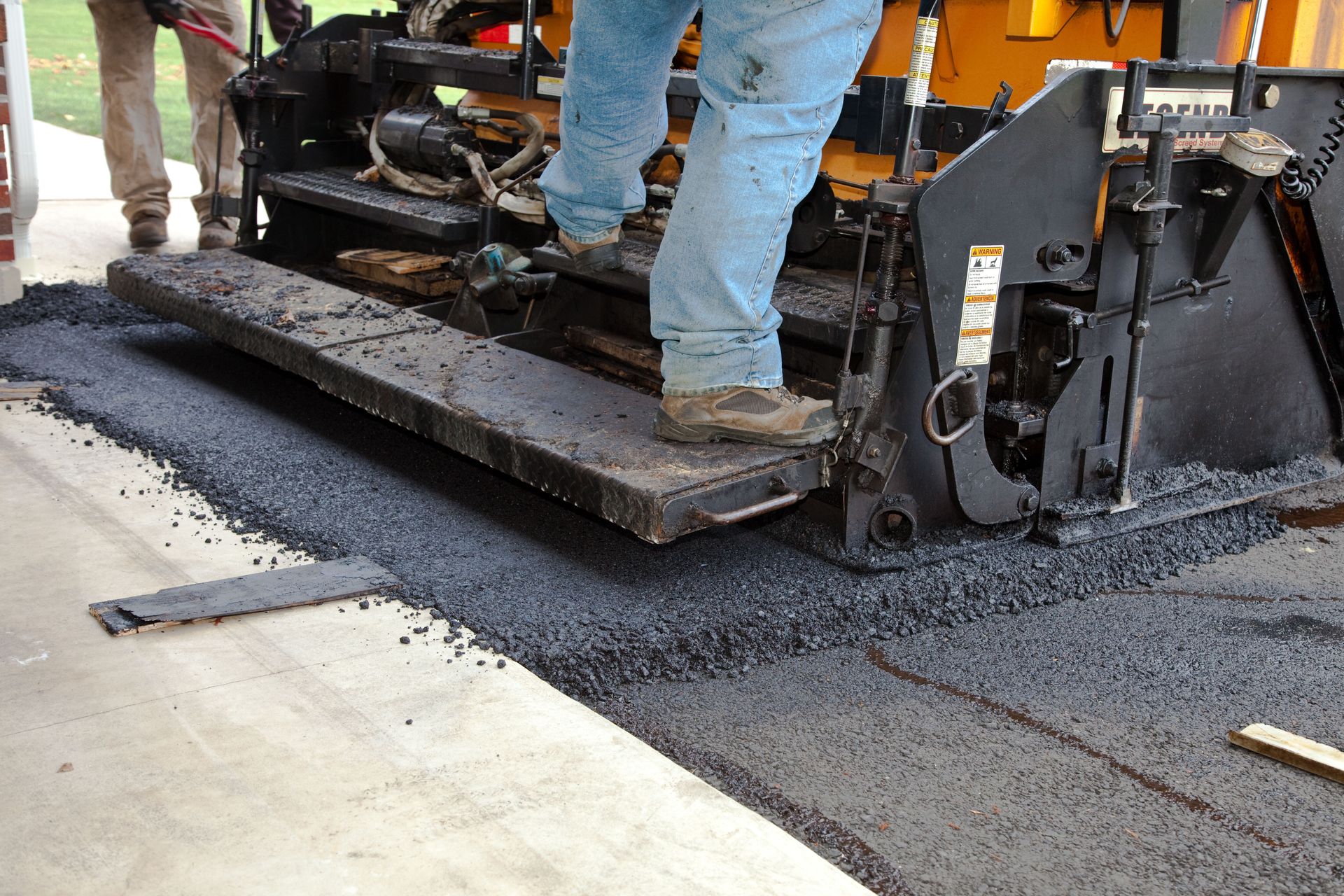
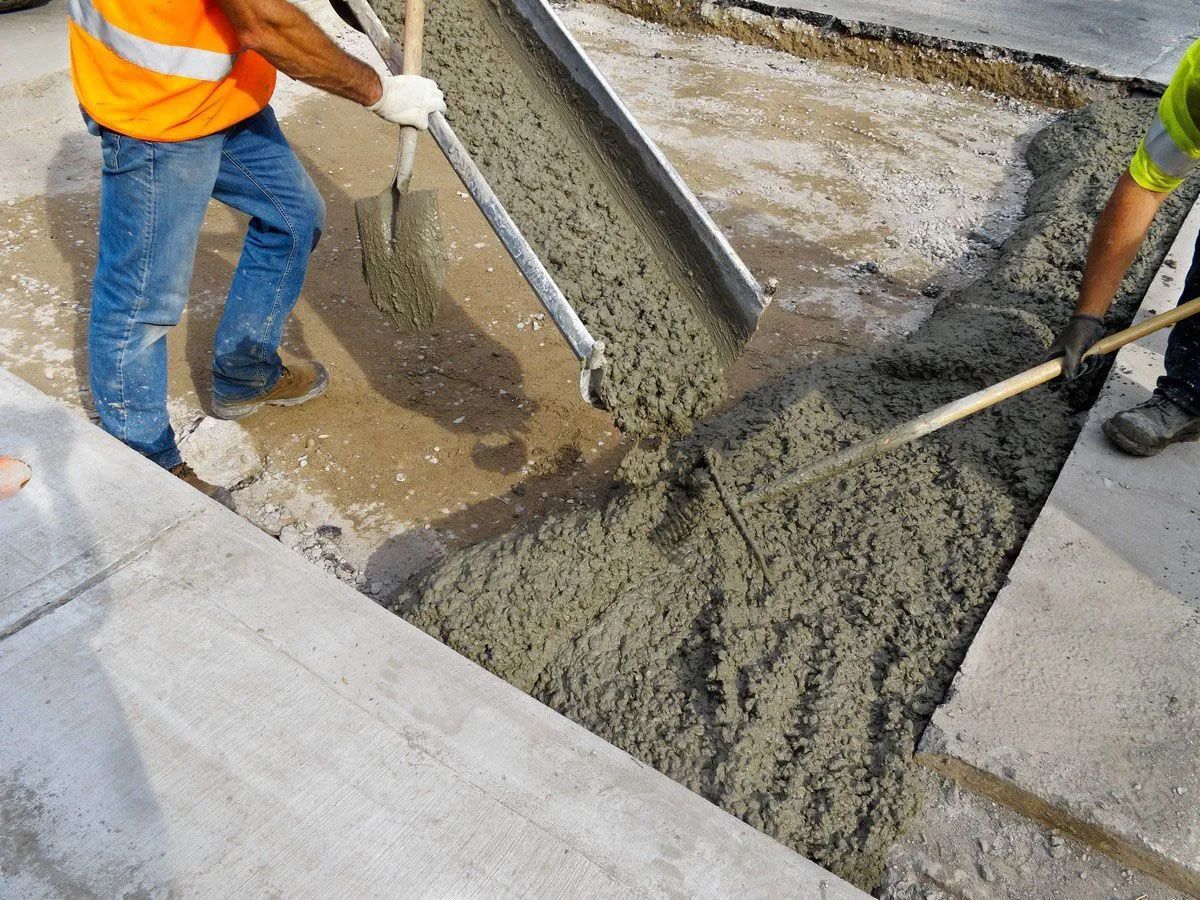
Operational downtime during surface installation is a major logistical concern for commercial operations and active households alike. Asphalt installation moves quickly, allowing property owners to regain full access to their driveways or parking areas within a relatively brief turnaround. Once a skilled paving contractor spreads and compacts the hot-mix material across the aggregate base, the surface cools rapidly and achieves load-bearing capacity shortly after compaction. This swift turnaround makes asphalt an attractive option for retail plazas, busy distribution facilities, and high-traffic residential driveways where prolonged closures create logistical headaches. Concrete construction requires a substantially longer timeline from initial site excavation to final vehicle accessibility. After pouring and finishing the wet cement mixture, the slab must undergo a delicate chemical hydration process known as curing. During this curing window, vehicles must remain completely off the surface to prevent permanent structural fractures and surface depressions. Property owners must weigh the necessity of immediate functional access against their long-term architectural preferences when scheduling their surfacing project.
Analyzing Aesthetics and Appearance
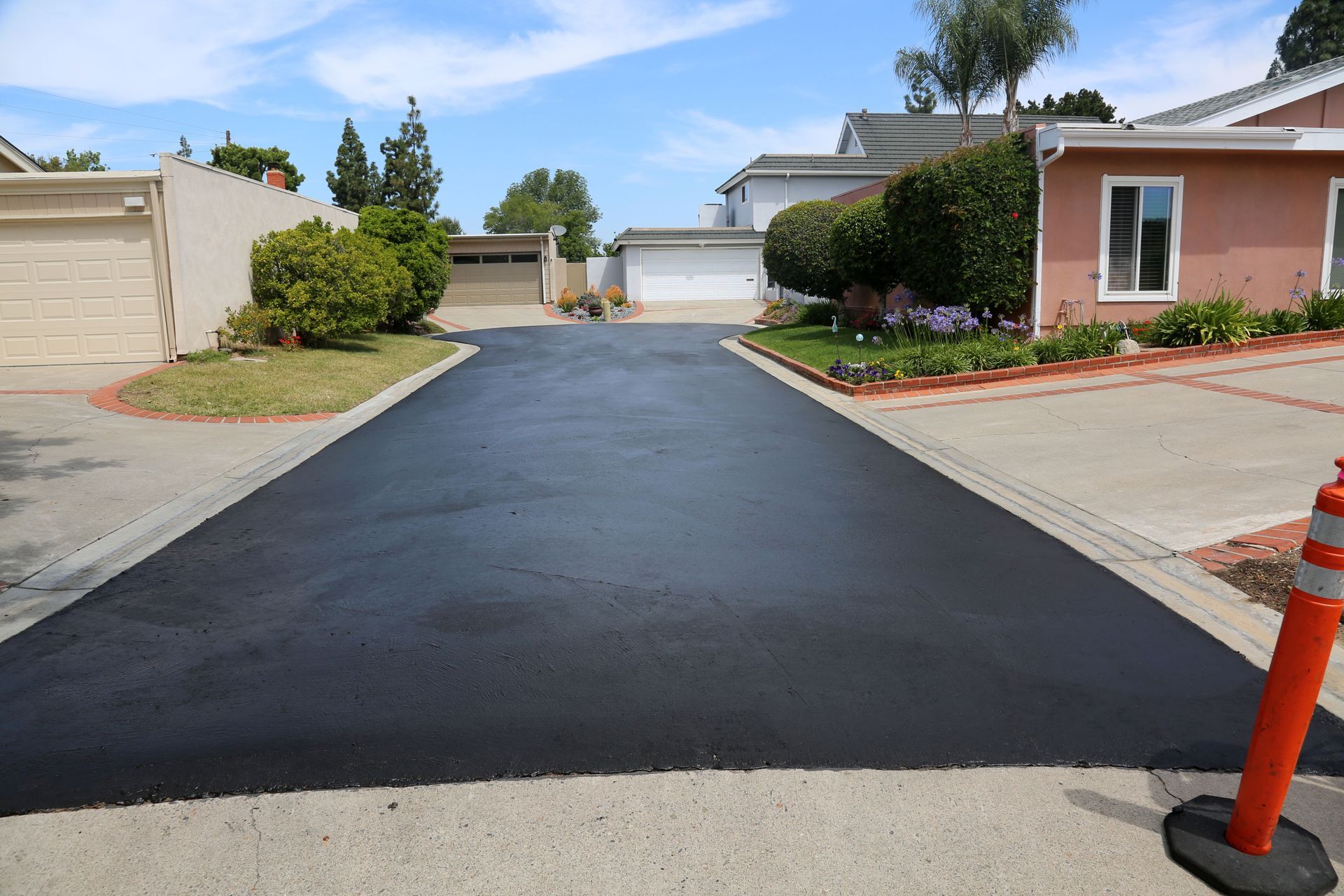
The visual appearance of a finished driveway or commercial entryway contributes significantly to the overall architectural presentation of the surrounding property. Concrete offers immense design versatility, allowing property owners to customize surfaces through decorative stamping, acid staining, exposed aggregates, and broomed textures. These varied finish options allow concrete to harmonize with contemporary masonry, traditional brick facades, or distinct commercial branding schemes. Furthermore, the light gray tone of standard concrete creates a crisp, clean aesthetic that reflects ambient light, improving nighttime visibility across walkways and parking plazas. Asphalt provides a clean, classic, uniform dark appearance that complements natural foliage, stone accents, and modern siding materials. The deep black surface offers striking visual contrast that accentuates clean property boundaries and crisp painted traffic striping. Partnering with a reputable
paving contractor enables property owners to visualize how different material textures, surface colorations, and edging techniques elevate the exterior character of their building.
Taking time to evaluate base preparation, water runoff management, and routine upkeep requirements ensures that your final surface performs reliably throughout prolonged periods of continuous traffic. If you are ready to enhance the functionality and appearance of your paved surfaces, contact us at Texas Road & Paving Company today. We will help you evaluate your property conditions and construct a durable, dependable paved surface tailored to your exact needs.